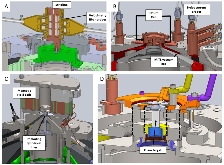
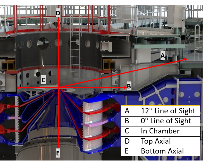
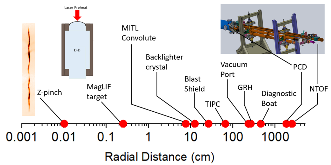
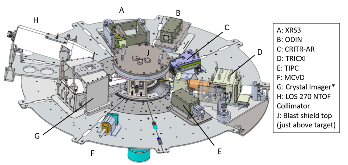
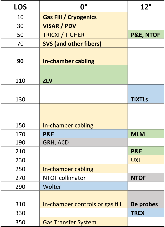
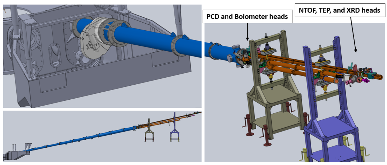
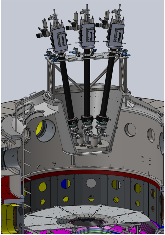
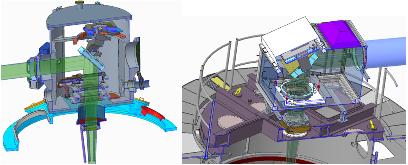
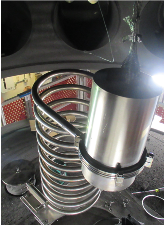
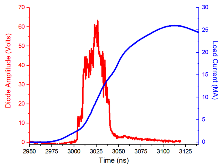
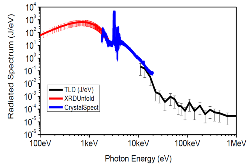
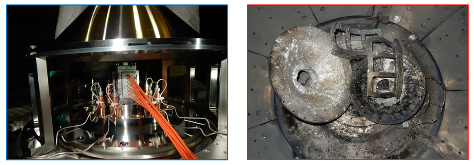
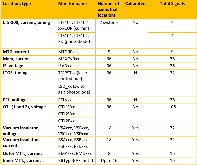
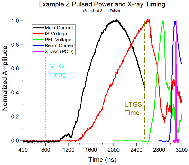
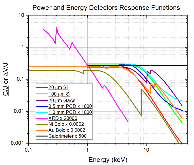
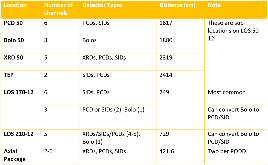
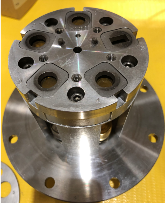
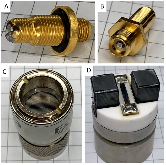
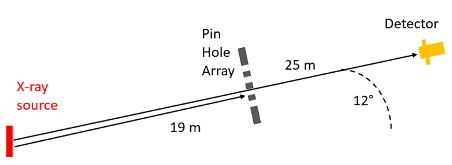
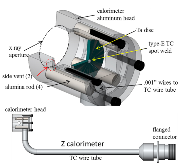
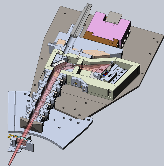
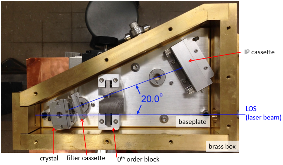
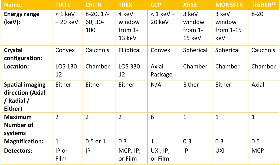
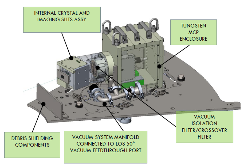
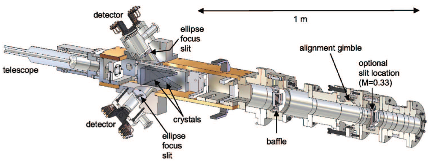
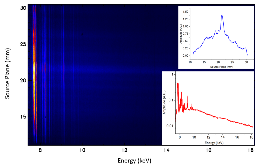
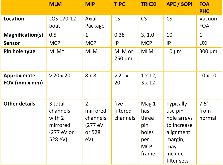
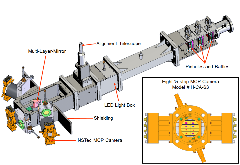
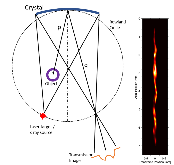
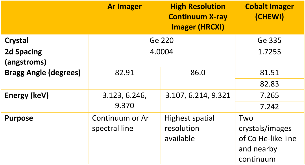
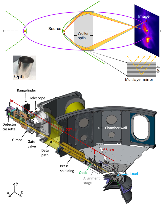
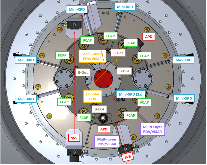
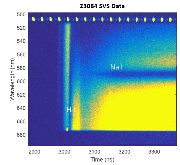
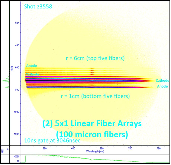
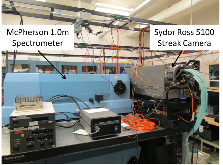
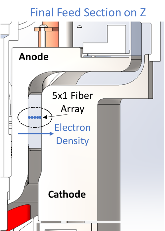
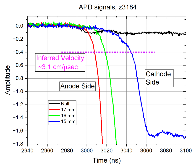
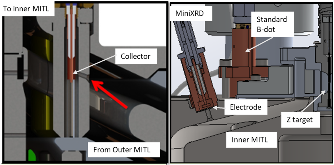
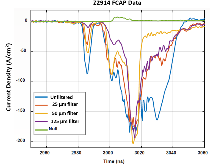
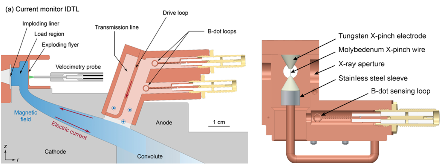
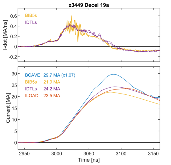
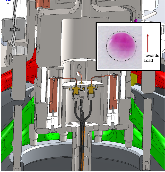
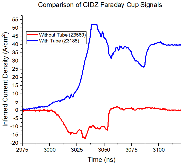
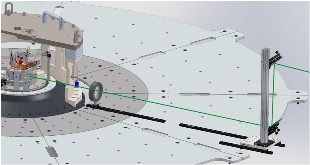
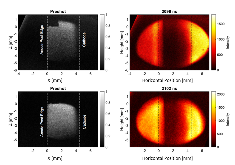
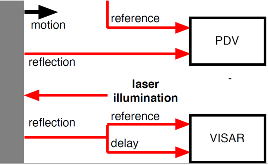
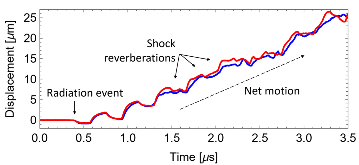
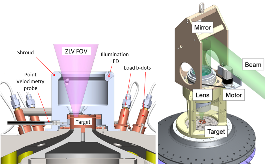
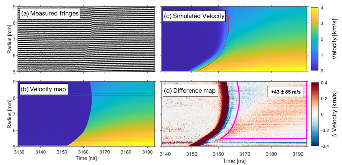
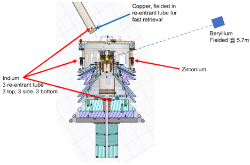
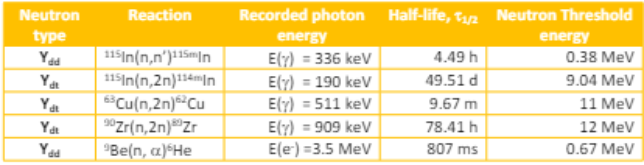
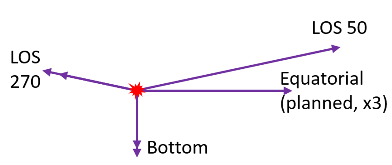
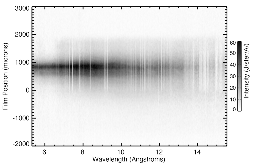
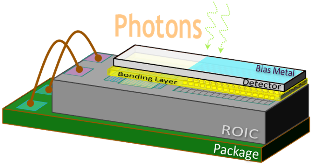
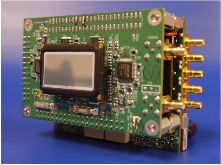
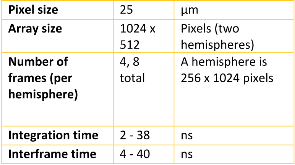
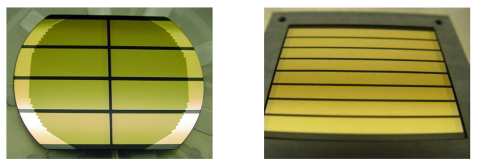
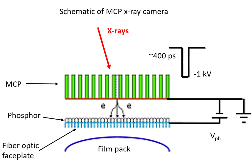
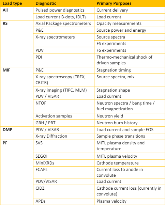
The Z machine is a current driver producing up to 30 MA in 100 ns that utilizes a wide range of diagnostics to assess accelerator performance and target behavior conduct experiments that use the Z target as a source of radiation or high pressures. Here, we review the existing suite of diagnostic systems, including their locations and primary configurations. The diagnostics are grouped in the following categories: pulsed power diagnostics, x-ray power and energy, x-ray spectroscopy, x-ray imaging (including backlighting, power flow, and velocimetry), and nuclear detectors (including neutron activation). We will also briefly summarize the primary imaging detectors we use at Z: image plates, x-ray and visible film, microchannel plates, and the ultrafast x-ray imager. The Z shot produces a harsh environment that interferes with diagnostic operation and data retrieval. We term these detrimental processes “threats” of which only partial quantifications and precise sources are known. Finally, we summarize the threats and describe techniques utilized in many of the systems to reduce noise and backgrounds.
Webb, Timothy Jay, et al. "Radiation, optical, power flow, and electrical diagnostics at the Z facility: Layout and techniques utilized to operate in the harsh environment." Review of Scientific Instruments, vol. 94, no. 3, Mar. 2023. https://doi.org/10.1063/5.0123448
Webb, Timothy Jay, Bliss, David E., Chandler, Gordon A., Dolan, Daniel H., Dunham, Gregory S., Edens, Aaron, Harding, Eric, Johnston, Mark D., Jones, Michael C., Langendorf, S., Mangan, Michael, Maurer, Andrew J., McCoy, Chad August, Moore, N. W., Presura, R., Steiner, Adam Michael, Wu, Ming, Yager-Elorriaga, David Alexander, & Yates, Kevin Colligan (2023). Radiation, optical, power flow, and electrical diagnostics at the Z facility: Layout and techniques utilized to operate in the harsh environment. Review of Scientific Instruments, 94(3). https://doi.org/10.1063/5.0123448
Webb, Timothy Jay, Bliss, David E., Chandler, Gordon A., et al., "Radiation, optical, power flow, and electrical diagnostics at the Z facility: Layout and techniques utilized to operate in the harsh environment," Review of Scientific Instruments 94, no. 3 (2023), https://doi.org/10.1063/5.0123448
@article{osti_2311785,
  author       = {Webb, Timothy Jay and Bliss, David E. and Chandler, Gordon A. and Dolan, Daniel H. and Dunham, Gregory S. and Edens, Aaron and Harding, Eric and Johnston, Mark D. and Jones, Michael C. and Langendorf, S. and others},
  title        = {Radiation, optical, power flow, and electrical diagnostics at the Z facility: Layout and techniques utilized to operate in the harsh environment},
  annote       = {The Z machine is a current driver producing up to 30 MA in 100 ns that utilizes a wide range of diagnostics to assess accelerator performance and target behavior conduct experiments that use the Z target as a source of radiation or high pressures. Here, we review the existing suite of diagnostic systems, including their locations and primary configurations. The diagnostics are grouped in the following categories: pulsed power diagnostics, x-ray power and energy, x-ray spectroscopy, x-ray imaging (including backlighting, power flow, and velocimetry), and nuclear detectors (including neutron activation). We will also briefly summarize the primary imaging detectors we use at Z: image plates, x-ray and visible film, microchannel plates, and the ultrafast x-ray imager. The Z shot produces a harsh environment that interferes with diagnostic operation and data retrieval. We term these detrimental processes “threats” of which only partial quantifications and precise sources are known. Finally, we summarize the threats and describe techniques utilized in many of the systems to reduce noise and backgrounds.},
  doi          = {10.1063/5.0123448},
  url          = {https://www.osti.gov/biblio/2311785},
  journal      = {Review of Scientific Instruments},
  issn         = {ISSN 0034-6748},
  number       = {3},
  volume       = {94},
  place        = {United States},
  publisher    = {American Institute of Physics (AIP)},
  year         = {2023},
  month        = {03}}
Nuclear Instruments and Methods in Physics Research Section A: Accelerators, Spectrometers, Detectors and Associated Equipment, Vol. 513, Issue 3https://doi.org/10.1016/S0168-9002(03)01930-2
Proposed for presentation at the APS Division of Plasma Physics held November 9-13, 2020 in Teleconference, Teleconference.https://doi.org/10.2172/1830902
Proposed for presentation at the 2020 High Temperature Plasma Diagnostics Conference held December 14-17, 2020 in Los Alamos, NM.https://doi.org/10.2172/1834697